


See Products
Self Locking Nuts
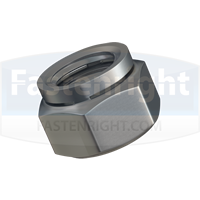
Self locking nuts are designed to resist loosening caused by vibration, shock, or dynamic loads. Their integrated locking feature creates friction between mating threads, helping maintain a secure joint. We supply a wide range of lock nuts in multiple materials and designs for industrial applications.
Showing all 28 results
-
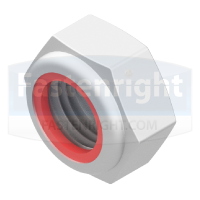
Aluminium Nyloc Nuts (DIN 985)
SKU: ALU07
-
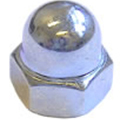
Dome Nyloc Nylon Insert Nut (DIN 986)
SKU: N04
-
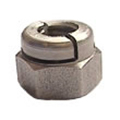
Aerotight Nuts
SKU: SL01
-
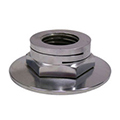
All Metal Self Locking Flange Nut
SKU: SL02
-
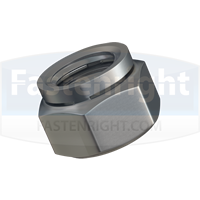
All Metal Self Locking Nut Std
SKU: SL03
-
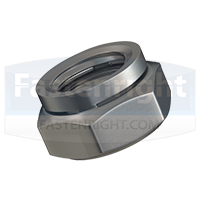
All Metal Self Locking Nut Thin
SKU: SL04
-
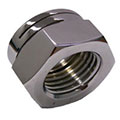
All Metal Self Locking Nut Turret Type
SKU: SL05
-
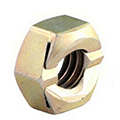
Binx Nuts
SKU: SL06
-
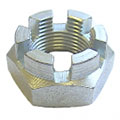
Castle Nuts (DIN 935)
SKU: SL07
-
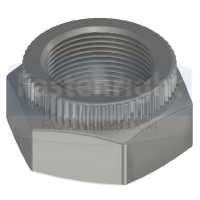
Cleveloc Nut
SKU: SL08
-
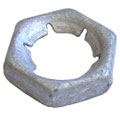
DIN 7967 Counter Nut (Pal Nuts)
SKU: SL09
-
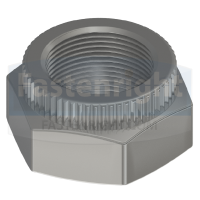
Cleveloc Nut Thin Type
SKU: SL10
-
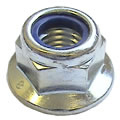
Flange Nyloc (Nylon Insert) Nuts – DIN 6926
SKU: SL11
-
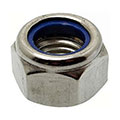
Nyloc Nuts (Nylon Insert)
SKU: SL12
-
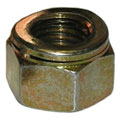
Philidas® Industrial Nut
SKU: SL13
-
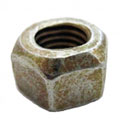
Philidas® MKV Nut
SKU: SL14
-
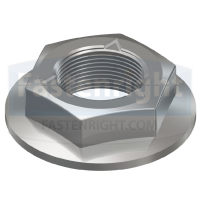
Philidas® Trilock Nut
SKU: SL15
-
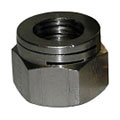
Philidas® Turret Nut
SKU: SL16
-
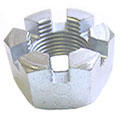
Slotted Nuts
SKU: SL17
-
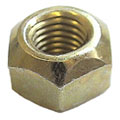
Stover Nut DIN 980V
SKU: SL18
-
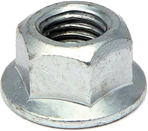
Flanged Stover Nut (DIN 6927)
SKU: SL19
-
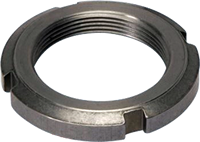
KM Locking Nuts
SKU: SL20
-
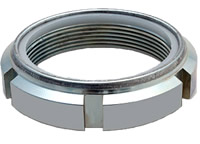
GUK Nylon Insert Locking Nuts
SKU: SL21
-
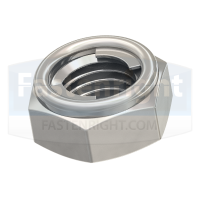
Standard Metal Insert Self Locking Nut (DIN 980M)
SKU: SL22
-
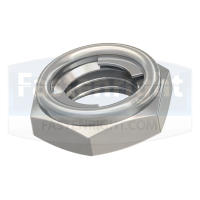
Thin Metal Insert Self Locking Nut
SKU: SL23
-
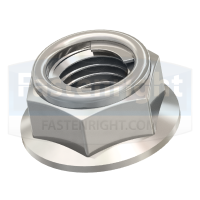
Flange Metal Insert Self Locking Nut
SKU: SL24
-
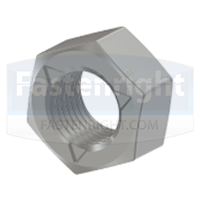
Stover Trilock Nut DIN 980V
SKU: SL25
-
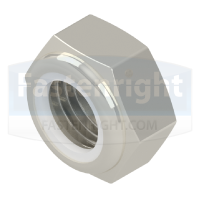
Titanium Nyloc Nuts (DIN 985)
SKU: TI09
What are self locking nuts?
Self locking nuts, also known as prevailing torque nuts or stiff nuts, are fasteners designed to maintain a secure threaded connection under vibration or movement. Unlike standard nuts, they incorporate a locking feature that creates friction between the nut and bolt threads, helping prevent the joint from loosening during operation.
How do self locking nuts work?
Self locking nuts maintain clamping force by introducing resistance into the thread engagement. This resistance is typically created by a nylon insert or a controlled deformation of the nut’s threads. When the nut is tightened onto a bolt, the locking feature increases friction, helping prevent loosening caused by vibration or dynamic loads.
Are self locking nuts reusable?
Most self locking nuts can be reused a limited number of times. However, the prevailing torque created by the locking feature may reduce with repeated installation and removal. When the locking resistance declines below the required level, the nut should be replaced to maintain joint security.
What types of self locking nuts are available?
We supply a wide range of locking nut designs, including:
- Nylon insert lock nuts (Nyloc nuts)
- All-metal prevailing torque nuts
- Flanged locking nuts
- Thin pattern locking nuts
- Turret and specialist locking nuts
Different designs are suited to specific applications, including high vibration environments or high temperature conditions.
What materials are self locking nuts available in?
Self locking nuts are commonly manufactured from materials selected for strength and corrosion resistance. Typical options include:
- Stainless steel
- Carbon steel with protective finishes
- Aluminium
- Titanium
Material selection depends on the operating environment, load requirements, and corrosion exposure.
How do I choose the correct lock nut?
Selecting the appropriate locking nut depends on several factors:
- Application requirements, including vibration, temperature, and environmental exposure.
- Material compatibility, ensuring the nut matches the bolt and operating conditions.
- Thread size and type: The nut must match the mating fastener to ensure proper engagement.
- Strength requirements: The nut must be capable of supporting the required load.
If you require assistance selecting the correct locking nut, don’t hesitate to contact our experts for help, advice and a competitive price on the ideal locking nut whatever your application.